

Hisense 75 Inch Smart Tv
Should I buy a Hisense TV? A look at the budget smart TV brand
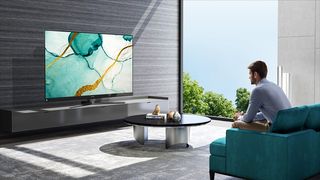
There are too many TV brands to keep track of these days and it can be hard to know if you should buy a Hisense TV or avoid the brand like the plague. It isn't one of the more well-known options like Samsung, Sony, and LG, but they're also quite expensive picks – so would you be better off with a cheaper TV from a brand like Hisense?
We've spent plenty of time with different Hisense TVs and so we can tell you if the brand is one you should be paying attention to.
Compared to industry stalwarts, Hisense is still the new kid on the block but thanks to competitive pricing for decent specs it has managed to quickly gain a stable footing in the market. Just don't be fooled by its typically budget sets, as Hisense also offers high-end models that can compete with the best – such as the Hisense U80G ULED with 8K resolution earlier this year.
With the impressive Dual Cell 4K TV, the 75-inch U9DG hitting the US at some point in the near future too, there's never been a better time to look into Hisense's offerings no matter what your budget is.
We'll run you through what makes Hisense TVs stand out from the competition while giving you quick links to our Hisense TV reviews and all the best deals available today. Be sure to also check out our guide to all the Hisense TVs of 2021 so you know what new models you can pick up today.
- What is the best smart TV?
- Shop Hisense TV offers with our roundup of the best 4th of July sales
Should I buy a Hisense TV?
Hisense is generally considered to be a budget TV brand, as it offers premium TV tech but for much lower prices than much of the competition. This means if you're mainly interested in a particular kind of HDR format or 4K resolution at the cheapest possible price, there's probably a Hisense TV out there that'll suit you.
Hisense doesn't just make TVs. The Chinese manufacturer produces all kinds of electrical goods, including fridges, washing machines and phones, too. However, its TV range is one of the biggest parts of its burgeoning business. And despite being state-owned – like many Chinese companies – Hisense has plenty of international connections.
Back in 2015, Hisense licensed the famous Sharp brand, bought part of a Mexican TV production line and started making televisions for the US and South American markets using the Japanese company's name – it then went several steps further by buying Toshiba's TV business.
Importantly, just because Hisense offers TVs at reasonable prices, it doesn't mean it isn't a worthy competitor to brands like Samsung and LG in the high-end TV stakes. Although Hisense is known for its mid-range TVs, in 2021 it's launched the Hisense U80G ULED 8K TV, the brand's first 8K television, which we found achieves brilliant visuals and delivers the high-end features expected from flagship TVs in 2021.
So, despite the brand's budget prices, you should be in no doubt that Hisense is a major player with a solid presence in the competitive television market.
Hisense pricing and specs
Fundamentally, the panels used in Hisense TV sets are decent. They tend to offer nice sharp images, decent black levels, and good color balance.
However, with the sets that support HDR, don't expect them to offer the same peak brightness as more expensive sets from bigger name brands. This means that the images shown on a Hisense TV might not have the same sparkle to them as better HDR sets.
The Hisense TV price range is where it's got a real edge over the competition, with the Chinese company firmly focusing its sights on the middle-market – with occasional forays into more high-end hardware like the massive (and massively bright) H75U9A.
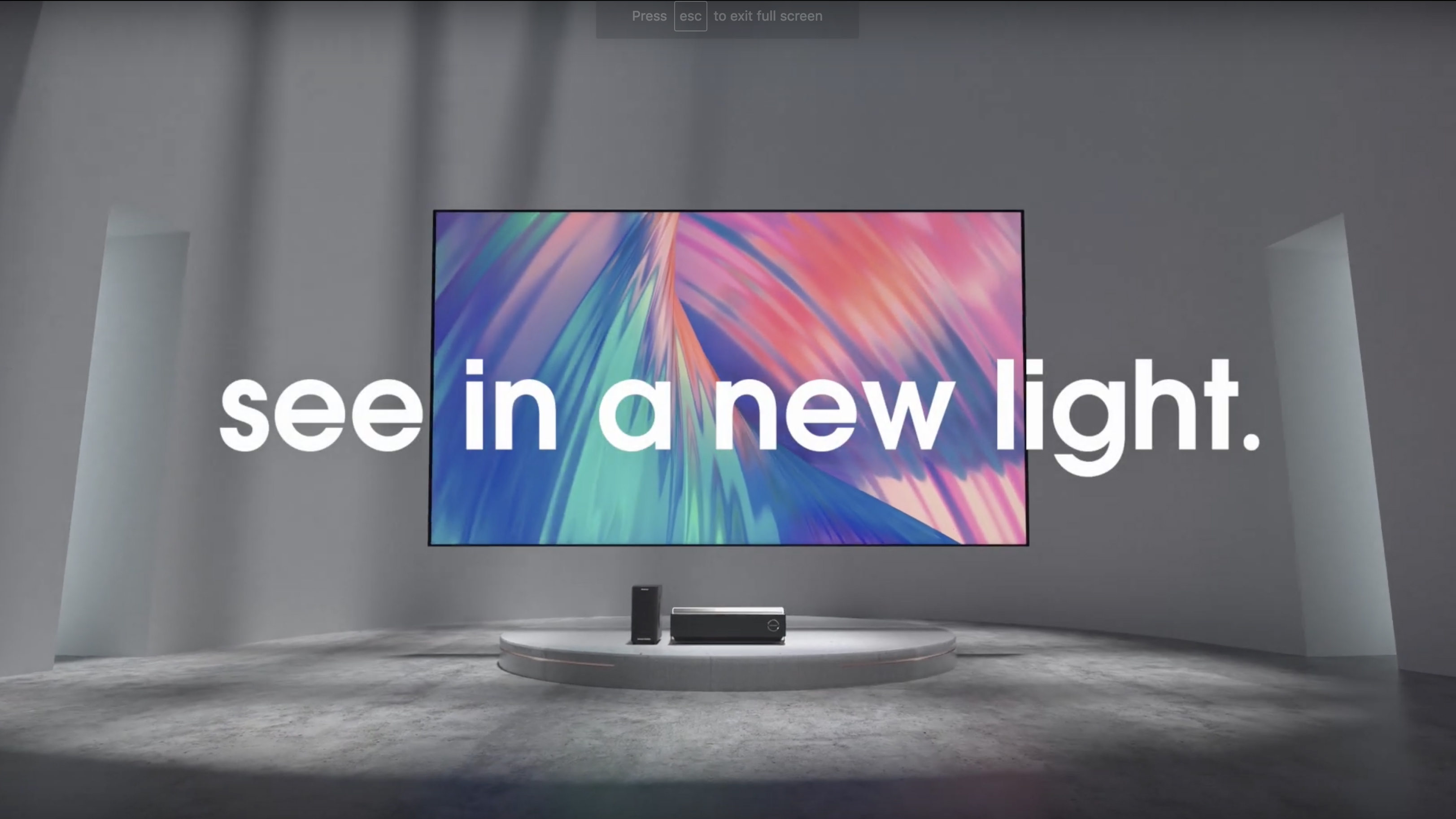
Hisense's flagship televisions have historically not been at the level of the best TVs in the world, but all that changed when the brand brought out its first 8K TV in 2021, the Hisense U80G ULED 8K TV, which we think has been a fantastic 8K debut, delivering the high-end features expected from today's flagship TVs – and after a soft launch in Australia it's coming to the US too.
However, most Hisense TVs are still mid-range and significantly cheaper than their peers.
Lower down the range you're also going to see significant savings. The upshot is that although your television may not be the talk of the town, it's not likely to disappoint, and the money you save can definitely be spent on getting great 4K content.
There's a clear tension between quality and affordability, though. While the H55OB8UK is the cheapest OLED TV on the market, it doesn't have the processing smarts to maintain consistent image quality in the same way as its pricier OLED competitors – and it's no surprise after that model that Hisense is dropping the technology entirely.
You can expect DualCell TVs – which fuse a grayscale 2K panel with a color-rich 4K one – to take its place, with Hisense claiming it can offer OLED-quality contrast at a cheaper price. We'll be watching throughout 2021 to see whether it does, specifically the new Hisense U9DG Dual Cell screen announced in May, but it's unlikely to be an OLED-killer regardless.
Hisense Roku smart TVs: what are they?
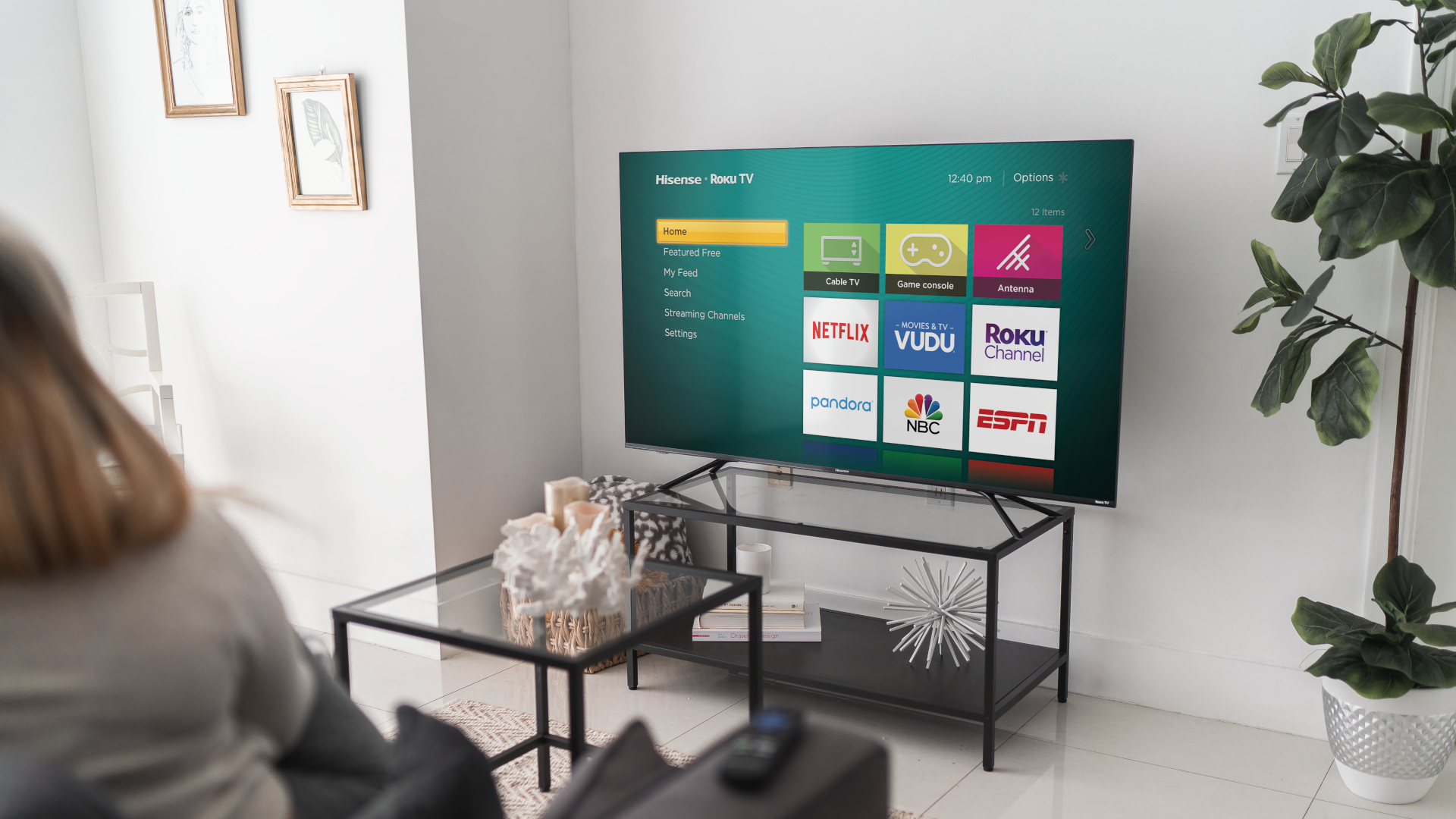
Hisense also collaborates with the Roku OS on certain sets, including its incoming ULED range – ULED being Hisense's own term for its high-spec LED televisions, with improved processing and enhanced color and contrast over its other sets. The Roku ULEDs are looking US-only for now, though the UK also got its first Roku Hisense TVs in time for Black Friday last year.
The Roku platform is the same as that included on Roku streaming sticks, and features a straightforward and easily laid-out OS, making it easy to select different streaming apps (of which there are many) as well as source inputs like game consoles.
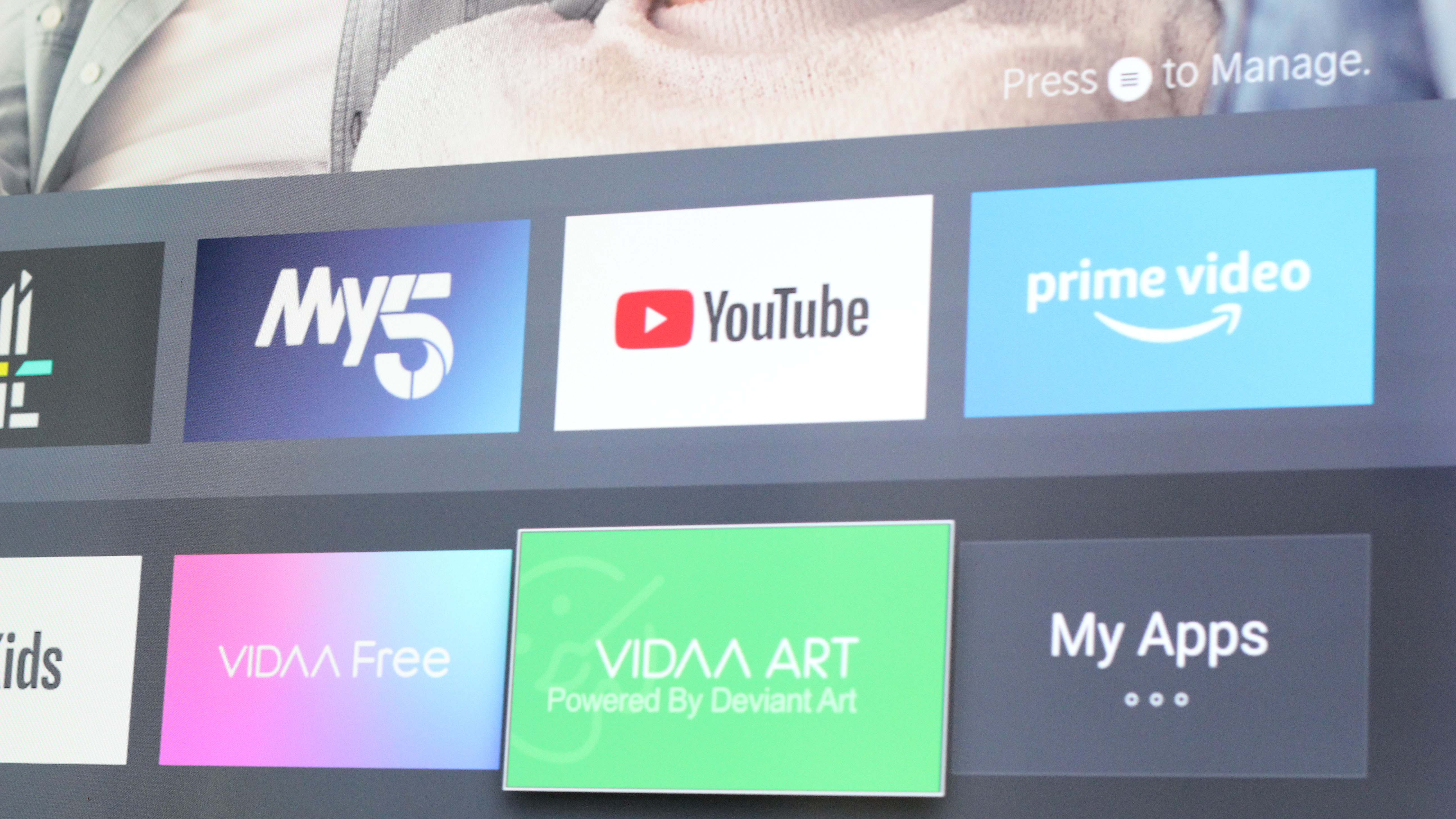
Roku sets aside, Hisense's smart TV OS can also be a little hit and miss across its different models. Some feature a flashy Vidaa U OS (don't ask us why it's called that), while others settle for a more prosaic Android TV platform – and even within those categories performance and app support can vary.
Back in 2020 Hisense TVs featured some oddly half-baked applications, including a 'free' TV streaming service that just loaded up YouTube videos (in the UK at least), and a Vidaa Art mode that pulls landscape drawings from DeviantArt – rather that the museums and galleries of Samsung's Art Mode on The Frame.
Thankfully, these OS issues can be sidestepped entirely – if you have them – by using a streaming box or streaming stick such as the Chromecast Ultra, Roku Streaming Stick+ or Nvidia Shield TV. Watching movies on a 4K Blu-ray player, too, shouldn't run into these issues.
Hisense smart TV reviews
Perhaps most crucially, what did TechRadar make of Hisense's latest TV sets?
We've reviewed Hisense televisions of all sizes and price ranges – and you can check out our full thoughts with the links below:
US
UK
AU
- For our top TV picks, our guide to the best TVs 2021 is here to help

Henry is TechRadar's News & Features Editor, covering the stories of the day with verve, moxie, and aplomb. He's spent the past three years reporting on TVs, projectors and smart speakers as well as gaming and VR – including a stint as the website's Home Cinema Editor – and has been interviewed live on both BBC World News and Channel News Asia, discussing the future of transport and 4K resolution televisions respectively. As a graduate of English Literature and persistent theatre enthusiast, he'll usually be found forcing Shakespeare puns into his technology articles, which he thinks is what the Bard would have wanted. Bylines include Edge, T3, and Little White Lies.
Hisense 75 Inch Smart Tv
Source: https://www.techradar.com/news/should-i-buy-a-hisense-television
Posted by: graysthativess.blogspot.com
0 Response to "Hisense 75 Inch Smart Tv"
Post a Comment